For years, fentanyl has been the name most closely tied to the overdose crisis, and for good reason. Over 70,000 people die from fentanyl-related overdoses each year, which equates to nearly 100 people every day. But the street drug supply continues to change, and newer substances can be just as dangerous while remaining far less familiar to the public.
Today’s street drugs may be laced with any number of substances the buyer didn’t expect, such as veterinary sedatives or industrial chemicals. These added substances are called adulterants, and they add another dangerous variable to an already unpredictable situation. Medical experts reviewing the issue have reported that the street supply is contaminated with potent synthetic ingredients, and it’s growing more complex by the year.
While you can’t control what street drugs are out there, you can educate yourself so you can recognize the signs of substance use, understand when it’s time to seek support, and know how to respond to a potential overdose or emergency.
Why The Drug Supply Changes
Illicit drugs are made and sold without regard for quality control. To boost supplies, cut costs, or increase potency, manufacturers and dealers may utilize a combination of additives to enhance effects or prolong the drugs’ shelf life. As certain additives are flagged by authorities, the manufacturing process moves onto the next available option.
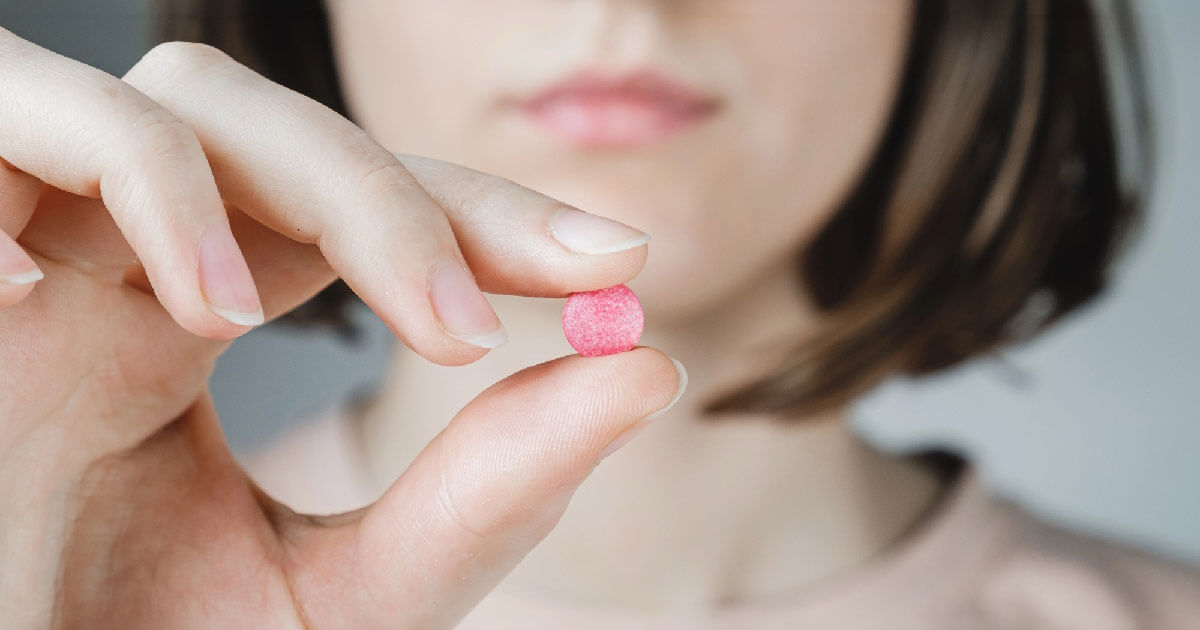
As a result, the supply is a constantly changing one, with few buyers knowing exactly what they’re getting. Counterfeit pills may look identical to prescription medications but contain fentanyl or other synthetic opioids. Powders sold as cocaine, MDMA, or ketamine may also be contaminated. Patterns emerge within regions and can quickly spread to other parts of the country.
Xylazine: The Sedative Known As “Tranq”
Xylazine is a veterinary sedative typically used to sedate large animals such as horses. Not approved for human use, xylazine has found its way into the illicit opioid market and is often mixed with fentanyl.
Xylazine can cause severe sedation, decreased respirations and blood pressure, and slowed heart rate. Not an opioid itself, naloxone (Narcan) will not reverse the effects of xylazine, although administering naloxone is still recommended in the case of an overdose as fentanyl is often present alongside xylazine.
One of the most alarming effects of xylazine is the development of severe skin ulcerations. Painful, open sores can develop on the skin, and they become infected and potentially damage connective tissue throughout the body. While the sores often develop near injection sites, they can also develop on other parts of the body.
Medetomidine: A Stronger Successor
Medetomidine is another veterinary sedative that has begun to appear in the illicit drug market, sometimes as a replacement for xylazine. Described as stronger and longer lasting than xylazine, medetomidine may present similar dangers.
Like xylazine, medetomidine is not an opioid, meaning that naloxone will not reverse its effects. It can cause severe drowsiness, dangerously low heart rate, and low blood pressure. Withdrawal from medetomidine can also be severe and difficult to manage, requiring potentially life-supporting care in some cases. Medically managed detox is strongly recommended for anyone suspected to have been exposed to medetomidine.
Nitazenes: Ultra Potent Synthetic Opioids
Nitazenes are synthetic opioids that were developed years ago, but never released or approved for medical use. Part of what makes them so dangerous is the fact that some are estimated to be 40 times more potent than fentanyl.
Because of their potency, overdoses from nitazines are more likely to occur, even in small doses. Nitazenes may be present in counterfeit pills, heroin, or fentanyl, and you won’t be able to tell because they don’t have a taste or smell. Multiple doses of naloxone may be required to reverse an overdose.
Other Additives Worth Knowing About
Drug-checking programs have identified a number of other additives in the streets as well.
- Levamisole, a veterinary deworming agent, may be present in cocaine and suppress the immune system.
- Phenacetin, a pain reliever no longer in use, has also been found as an additive.
- Industrial chemicals such as BTMPS, a chemical used in plastics, have been found in street drugs.
Most additives are not detectable by sight, smell or taste which is part of why the current crisis is so dangerous. With so many different substances present, overdoses are more likely to occur, and with more severe effects.
How Adulterants Can Make Detox and Therapy More Difficult
The presence of multiple substances can cause a person to become dependent on more than one drug. This can lead to more complicated withdrawal symptoms, unexpected medical issues, and a greater need for monitoring during detox.
For example, a person who believes they’ve been using heroin may also be regularly ingesting xylazine or medetomidine. These substances require different medical management, such as treatment for wounds, infections, and other health problems. A medically managed detox program can identify these issues and keep patients safe and comfortable.
Lowering the Risks
While the best option for lowering risk is to stop using illicit substances, there are steps people with addiction can take to make overdoses less likely to happen.
- Have naloxone on hand and ensure friends and loved ones know how to use it.
- Avoid being alone or using substances in isolation.
- Use test strips to identify dangerous additives. Keep in mind that test strips are typically specific to the substance. For example, xylazine test strips only test for xylazine and fentanyl test strips only test for fentanyl.
- Know when and where to get professional support.
Get Help at Pura Vida Recovery
The streets are full of ever-changing dangers, but recovery is always possible. At Pura Vida Recovery in Santa Rosa, CA, our 24/7 medically supervised detox and full continuum of care help people safely manage withdrawal and begin their road to recovery. If you or someone you love is struggling with addiction, contact Pura Vida Recovery today and take the first step towards a healthier, happier life.
Frequently Asked Questions About the Current Street Supply
What is an adulterant?
An adulterant is a substance added to another, often without the knowledge of the person consuming it. Adulterants may be added for a variety of reasons, from cutting a substance to lower costs to enhancing effects. Regardless, they tend to make any substance consumed far more dangerous.
Does Narcan work on xylazine or medetomidine?
No, Narcan is ineffective against xylazine and medetomidine, two veterinary sedatives which have begun appearing in the illicit opioid market. However, both xylazine and medetomidine are often mixed with opioids like fentanyl, so Narcan should still be administered in the case of an overdose.
Why are nitazenes so dangerous?
Some nitazenes are far more potent than fentanyl, meaning overdoses are much more likely to occur. Multiple doses of Narcan may be necessary to reverse an overdose.
Can these additives be in other drugs besides opioids?
Yes, many of these additives have been found in other substances like stimulants and counterfeit pills. Some, like xylazine, have been found in heroin as well. This means anyone using any substance is at risk of encountering these dangerous additives.
Is detox more difficult if these substances are involved?
Detox can become more difficult if more than one substance is involved because it typically requires different care for a different set of symptoms. Medical detox can help monitor patients and provide whatever medication or care they need to help them stay comfortable and safe.