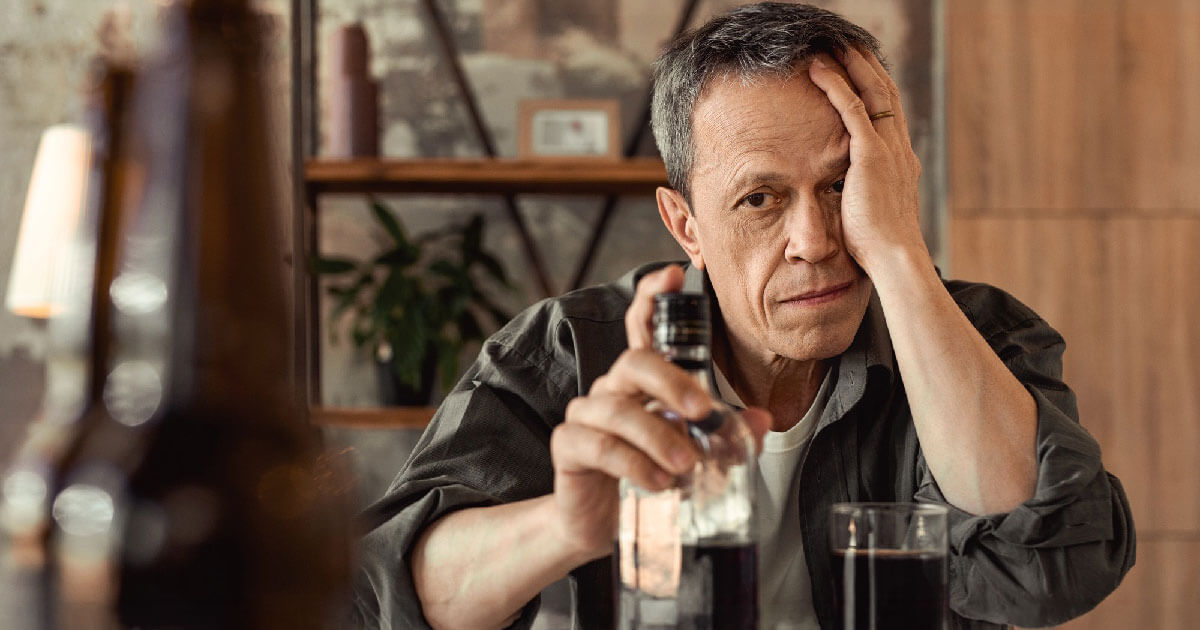
After a stressful day, unwinding with a glass of wine or a cold beer can be the perfect way to relax. Your shoulders lower, your swirling thoughts lull into a calm, and the world dims down around you. This is a welcome respite for those living with anxiety.
But there is a cost.
People who use alcohol to relieve anxiety often find that their symptoms become more severe and difficult to control. Understanding why anxiety and alcoholism are linked may empower you to cut back on drinking or stop altogether.
Why Does Alcohol Help Anxiety?
There is a scientific explanation for why alcohol alleviates some of the signs and symptoms of anxiety.
Alcohol is classified as a depressant, which means that it lowers activity in the brain and central nervous system. Specifically, alcohol increases the effects of GABA (a neurotransmitter that causes relaxation) and reduces the effects of glutamate (a neurotransmitter that causes excitation).
Alcohol’s effects on GABA and glutamate help explain some of the ways that drinking can help reduce anxiety, such as:
- Easing worries and tension
- Making it easier to handle social interactions
- Relaxing tense muscles
- Reducing the physical sensations of anxiety
At first glance, it makes sense that someone experiencing anxiety would want to use alcohol to feel better.
The Rebound Effect
Unfortunately, there is a built-in consequence to using a substance like alcohol to alleviate anxiety. Because alcohol is a depressant, your central nervous system can “rebound” as it leaves your body. As a result, your nervous system may become more aroused than it was before you started drinking.
In other words, you may feel more anxious after you stop drinking.
Since most people drink to feel better, this rebound effect can cause significant anxiety and stress. This can go beyond typical everyday anxiety and make it more difficult to cope with daily life.
There’s also “hangxiety” to consider, which can cause people to wake up after drinking feeling anxious, embarrassed, or depressed. The longer and more heavily you drink, the more pronounced these feelings may be in the hours that follow.
How Hangxiety Fuels the Cycle
As you continue to drink to relieve your rebound anxiety, your brain can begin to change by creating less GABA and more glutamate. This process happens because your brain is attempting to deal with the constant presence of alcohol in your system by “resetting” your brain chemistry.
As a result, you may experience increased anxiety between drinking sessions and feel that you need more alcohol to relax, which is a sign of developing alcohol tolerance. Since anxiety feels so much worse when you aren’t drinking, you may start to associate drinking with a reduction in anxiety and continue to use it as a coping mechanism.
Alcohol and Sleep
Many people drink to induce sleep, especially when anxiety keeps them up at night. Even though alcohol might help you fall asleep faster, it wreaks havoc on your sleep cycle, disrupting your ability to achieve restful, restorative sleep. You may toss and turn throughout the night and wake up in the morning feeling tired instead of refreshed. Loss of sleep and anxiety often feed into each other, raising your overall levels of stress and making it even harder to stop drinking.
Warning Signs That You Are Using Alcohol to Self-Medicate
It can be challenging to determine when drinking to alleviate stress has spiraled out of control. Here are several warning signs that you might be using alcohol to self-medicate:
- You need alcohol to relax or fall asleep
- You feel anxious, shaky, or tense when you don’t drink
- You drink more than intended or at inappropriate times
- You drink to deal with social events or an uncomfortable day at work
- You have concerns from friends and family about your drinking
- You have neglected duties at home, work, or school due to your drinking
If any of these statements resonate with you, know that you are not alone, and there is no shame in seeking alcohol treatment to help you stop drinking and reduce your anxiety.
Why it Can Be So Hard to Stop Drinking When You Have Anxiety
Drinking to reduce anxiety is an especially challenging habit to break. As you attempt to stop drinking, you may experience withdrawal symptoms such as:
- Shakiness
- Sweating
- Racing heart
- Insomnia
- Tremors
- Nausea
These symptoms can be incredibly stressful and may combine with your anxiety to make you feel as if you can’t possibly quit drinking. Additionally, if you are a heavy drinker, it can be dangerous to stop suddenly. Sudden cessation of alcohol can bring on life-threatening withdrawal symptoms such as seizures.
If you are considering stopping on your own, speak with a medical professional for guidance. Enrolling in a medically supervised detoxification program is the ideal route, as your withdrawal symptoms can be safely and comfortably managed.
Treating Dual Diagnosis and Alcoholism
When a person experiences two or more concurrent mental health disorders, such as anxiety and addiction, it’s called a dual diagnosis. Treating dual diagnosis requires a special kind of integrated treatment that addresses both mental health disorders simultaneously. Treating just one disorder leaves the other untreated, which can lead to relapse.
Integrated treatment combines standard forms of addiction treatment and psychotherapy to treat both alcoholism and a co-occurring mental health disorder. One common type of psychotherapy used in the treatment of dual diagnosis is cognitive behavioral therapy, or CBT. CBT helps people identify unhealthy thought patterns and replace them with healthier ones. CBT is also frequently combined with other psychological treatments and medications that target specific symptoms. Additionally, peer support and community living can help reduce isolation and provide vital social support networks for people recovering from alcoholism and a co-occurring mental health disorder.
Find Relief at Pura Vida Recovery
You don’t have to keep relying on alcohol to feel calm. At Pura Vida Recovery in Santa Rosa, our team treats co-occurring anxiety and alcohol use with compassionate, evidence-based care, from medically supervised detox through residential, outpatient, and sober living support. If you’re ready to break the cycle, contact Pura Vida Recovery today to start building a calmer, more joyful life.
Frequently Asked Questions About Anxiety and Alcoholism
Can alcohol cause anxiety?
Alcohol can cause anxiety and other psychiatric symptoms. People with pre-existing anxiety may find that alcohol worsens their symptoms over time due to changes in brain chemistry, poor sleep, and rebound effects.
What is “hangxiety”?
Hangxiety is the general term for anxiety that people feel the morning after a night of drinking. This rebound effect occurs as alcohol leaves the body, and the central nervous system becomes more aroused than it was before drinking began.
Is it dangerous to stop drinking on my own?
It can be dangerous to stop drinking on your own, especially if you are a heavy drinker or drink every day. It’s best to speak with a medical professional about your options.
Should I expect my anxiety to go away when I stop drinking?
It can be helpful to talk to a medical professional about your anxiety, especially if it existed prior to drinking. After you have stopped drinking, many people find that their anxiety is significantly reduced. If your anxiety continues after you stop drinking, there are safe and effective medications and psychotherapies that can help.
Is dual diagnosis treatable?
Yes, dual diagnosis is treatable. In fact, treating dual diagnosis is often the best course of treatment for both disorders. Pura Vida Recovery in Santa Rosa focuses on integrated treatment for substance use and mental health disorders. Our professionals can help you detox from alcohol and provide you with residential, outpatient, and sober support services to help you stop drinking and reduce your anxiety.