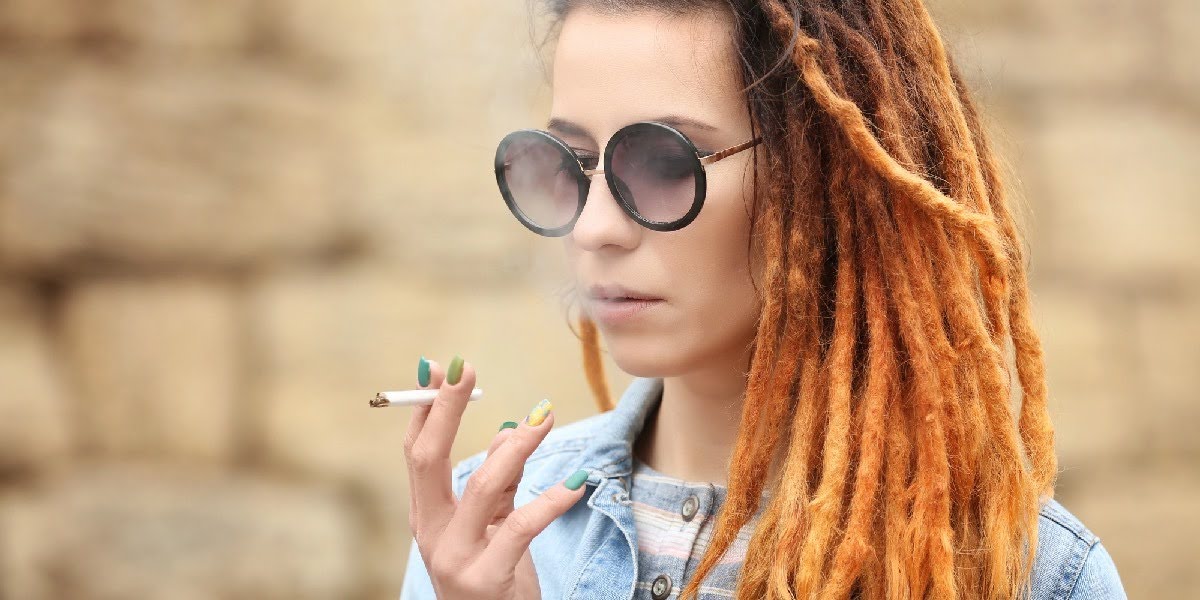
California has some of the most permissive marijuana laws in the country, and for many adults, occasional use is simply part of daily life. In their minds, it’s no different than a glass of wine at the end of the day. Dispensaries are on nearly every corner in some cities. Products are sophisticated, well-marketed, and widely socially accepted. And because it’s legal, a quiet but powerful assumption tends to follow: it must be safe.
That assumption is one of the most common misconceptions we encounter at Pura Vida Recovery in Santa Rosa, CA. Legality and safety are not the same thing. Marijuana can and does lead to dependency, and for a large portion of regular users, it becomes a real addiction with real consequences. Here’s what the research actually says and what to watch for.
What Is Marijuana Use Disorder?
Marijuana use disorder (or cannabis use disorder) is the clinical term for what happens when someone’s use of cannabis becomes compulsive, difficult to control, and continues despite negative consequences in their life. It’s recognized by the American Psychiatric Association in the DSM-5, and it’s more common than most people realize.
According to the National Institute on Drug Abuse, approximately 9% of people who use marijuana will develop a dependency. This number rises to about 17% among those who start in their teens, and nearly 50% among daily users. In California alone, where access is easy and use is normalized, those numbers translate to a significant number of people quietly struggling with a problem they may not even recognize as one.
The Legalization Misconception
One of the unintended consequences of legalization is that marijuana may seem less risky than it really is for some people. When something is sold in a licensed store, taxed by the government, and advertised on billboards, it sends a cultural message that it’s widely accepted. And for many adults who use marijuana occasionally and without issue, that may be true.
But the products available in California’s dispensaries today are not the marijuana of previous generations. THC concentrations have increased dramatically over the past two decades. Many products now contain THC levels of 25%, 30%, or higher. Concentrates and vape cartridges can push that even further. Higher potency means a faster and more powerful effect on the brain’s reward system, which accelerates the development of tolerance and dependency.
The ease of access matters too. When a substance is available around the clock, within walking distance, and in dozens of forms—edibles, tinctures, vapes, topicals, drinks—the barriers that once limited use simply disappear.
What Marijuana Actually Does to the Brain
THC works by binding to cannabinoid receptors in the brain, triggering a release of dopamine, the same neurochemical pathway activated by other addictive substances. With repeated use, the brain begins to adapt. It produces less dopamine naturally and reduces the sensitivity of its own receptors, meaning more of the substance is needed to achieve the same effect. This is tolerance, and it’s the first step on the path toward dependency.
Over time and with heavy use, chronic marijuana use has been linked to changes in brain structure and function, particularly in areas governing memory, attention, and decision-making. Young people are especially vulnerable: the brain is not fully developed until the mid-twenties, and regular marijuana use during adolescence and young adulthood is associated with more significant and lasting neurological effects.
Heavy users who stop often experience a withdrawal syndrome that includes irritability, anxiety, sleep disruption, decreased appetite, and persistent cravings. These symptoms can last days to weeks and make quitting difficult without support, especially for someone who has developed cannabis use disorder.
Signs That Use Has Become a Problem
Because marijuana’s effects can seem more subtle than alcohol or opioids, dependency may develop gradually and go unnoticed for a long time. These signs may indicate that use has become more than occasional or recreational:
- Using more than intended, or using more often than you planned
- Spending a lot of time thinking about marijuana, getting it, using it, or recovering from its effects
- Continuing to use even when it affects daily life, including work, school, relationships, motivation, or mental health
- Feeling unable to cut back or stop, even when you want to
- Experiencing withdrawal symptoms when you try to reduce use
- Feeling like you need marijuana to feel normal, relax, sleep, eat, or get through the day
- Giving up hobbies, responsibilities, or relationships in favor of using
When these patterns start showing up, it may be time to take an honest look at the role marijuana is playing in your life.
Breaking Free From Marijuana Dependency Begins Here
One of the barriers to seeking help for marijuana dependency is the social stigma of admitting that a legal, widely used substance has become a problem. People worry they won’t be taken seriously, or that admitting they struggle with marijuana will invite dismissal rather than support.
At Pura Vida Recovery in Santa Rosa, we take marijuana use disorder seriously because we have seen firsthand how significantly it can affect a person’s life, relationships, and wellbeing. We also know that recovery from marijuana dependency is absolutely possible with the right support, treatment approach, and environment.
If you or someone you care about is questioning their relationship with marijuana, that question itself is worth exploring. You don’t have to be certain it’s a problem to reach out. We’re here to listen, with no judgment and no pressure. Contact our team today at (707) 879-8432.